May 29, 2026
Share:
What Is the Difference Between Mechanical and Electric Water Pumps?
Water pumps are essential components in various industries, providing a reliable means to move fluids efficiently. At their core, mechanical and electric water pumps serve the primary function of transporting water, but they do so in fundamentally different ways. Mechanical water pumps operate using a combination of rotating parts and fluid dynamics to generate flow, while electric water pumps utilize electrical energy to power an impeller or diaphragm, initiating movement. Understanding these differences is crucial for businesses in sectors like automotive, agriculture, and construction, where selecting the right pump can impact efficiency, cost, and operational success.
Historically, mechanical water pumps have been around since ancient times, with designs evolving from simple devices like the Archimedes screw to more complex systems used in modern machinery. In contrast, electric water pumps became popular in the 20th century, driven by advancements in electric motor technology and the increasing need for automation in water management processes. Today, in industries where precision and reliability are key, understanding the differences between these two types of pumps can greatly enhance operational effectiveness.
In practical terms, the value of understanding the distinction between mechanical and electric water pumps is immense. For example, mechanical pumps may be preferred in applications requiring high-pressure output and robustness, such as in certain automotive systems or industrial machinery. Electrical pumps, on the other hand, offer versatility and are often more suitable for low-flow, high-efficiency applications, like irrigation systems or water supply in residential areas. Both types have found their place in the market, depending on the specific requirements of the task at hand.
However, several misconceptions persist regarding these pump types. A common error is the assumption that electric pumps are always more efficient than mechanical ones. While electric pumps often excel in energy efficiency, mechanical pumps can sometimes outperform them in durability, especially in demanding environments. Moreover, some users believe that all electric pumps require complex electrical setups, but many options are available for straightforward integration into existing systems.
To illustrate these differences further, consider a case study involving an agricultural operation that previously relied on mechanical water pumps for irrigation. After transitioning to electric pumps, the business noted a 30% reduction in energy costs while maintaining consistent water pressure and flow efficiency. Conversely, an automotive manufacturer utilizing mechanical water pumps reported fewer maintenance issues and longer lifespans for their components, contributing to enhanced reliability and decreased downtime. These examples underscore the importance of choosing the right type of pump for the intended application.
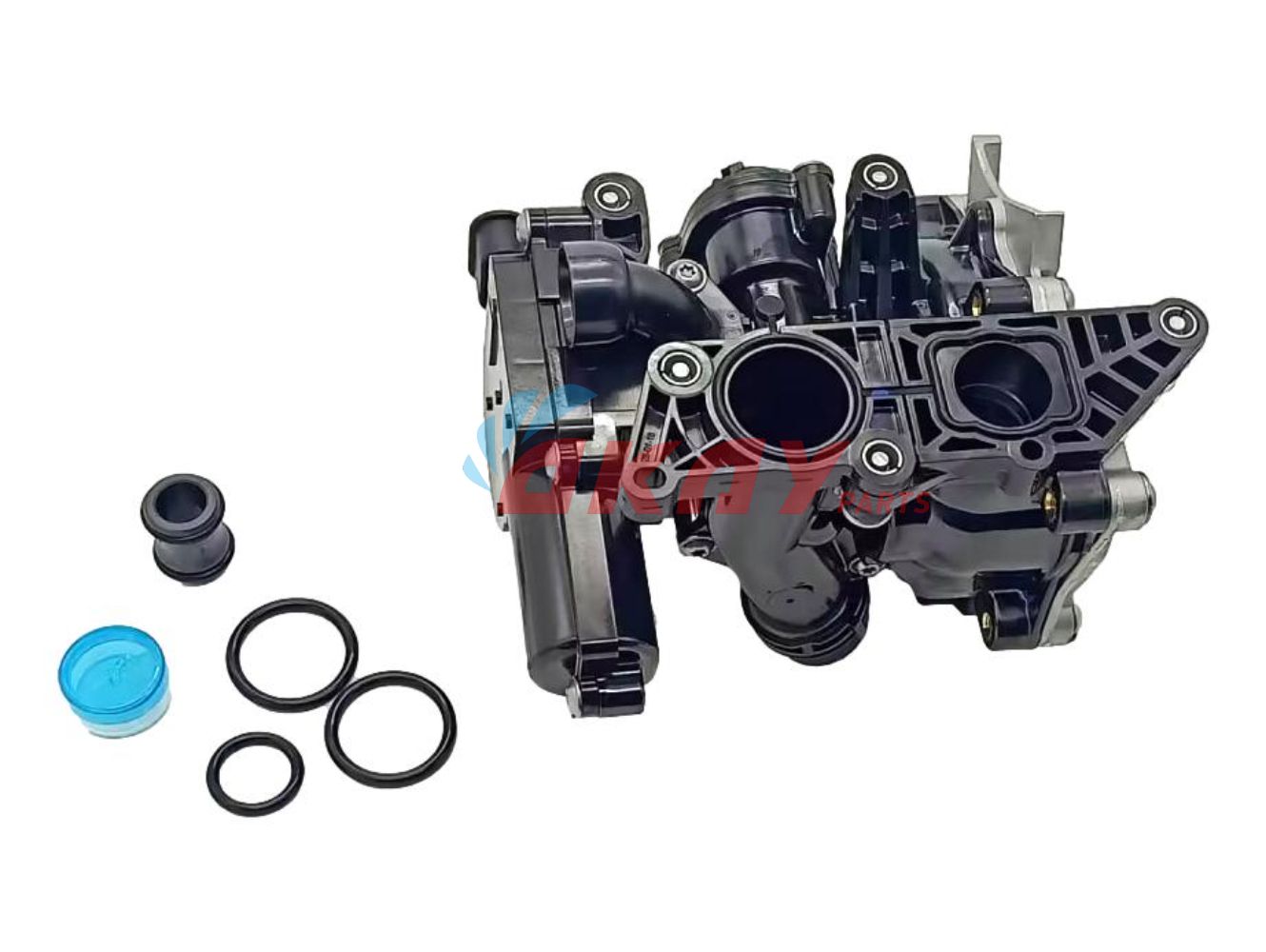
In summary, understanding what distinguishes mechanical and electric water pumps is critical for businesses seeking optimal performance in water management. Mechanical water pumps offer durability and high-pressure capabilities, while electric pumps provide efficiency and versatility for various applications. By considering the specific needs of your operations, you can make informed decisions that maximize productivity and reduce costs. For those looking to explore further, partnering with a trusted Automotive Mechanical Water Pump Supplier like OKAYPARTS can provide valuable assistance in identifying the right solution for your application needs. As you navigate this topic, remember that informed choices are key to success in any business endeavor, especially one as fundamental as water management.
For further insights, visit OKAYPARTS.
Related Products
11511433828 11517503884 Water pump for BMW
OEM:
11511433828
11517503884
11511722536
11511730414
11511740241