July 07, 2026
Share:
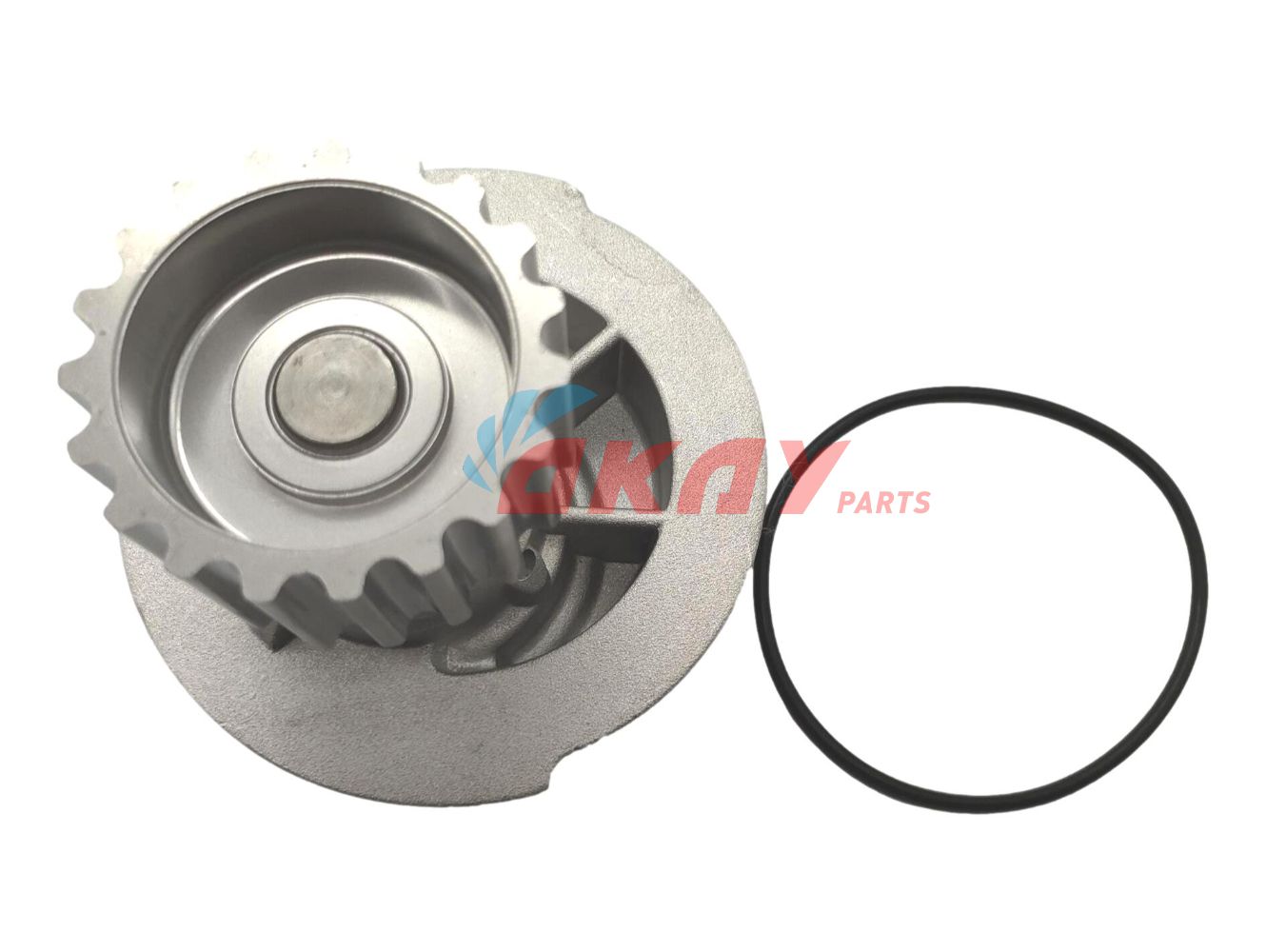
When it comes to selecting an effcient water pump for automotive systems, a comprehensive evaluation is crucial. Many car owners encounter frequent issues such as overheating and insufficient coolant flow, leading to potential engine damage. Mechanic shops often suggest mechanical water pumps as a solution. However, it is essential to understand their pros and cons to make an informed decision. In this article, we will delve into the key advantages, disadvantages, and usability of mechanical water pumps, making sure that you can recognize the right time to upgrade or invest in a new pump. Keywords like automotive water pump efficiency, mechanical pump benefits, and long-term performance analysis will guide our exploration.
Mechanical water pumps offer notable benefits that can enhance the functionality of your vehicle’s cooling system. One significant advantage is their straightforward design, which typically leads to lower production costs. In fact, mechanical water pumps can be produced at a cost that is approximately 30% less than their electric counterparts. Additionally, they often provide a continuous flow rate of 20 to 25 gallons per minute (GPM), ensuring the engine remains cool even during high-performance situations, such as towing or racing.
Moreover, mechanical water pumps are driven by the engine’s crankshaft, which means that they have a direct connection to the engine’s RPM. This results in a consistent performance that can adapt to the vehicle\'s demands. According to research, vehicles equipped with mechanical water pumps can experience an improved coolant circulation rate, leading to a 15% reduction in average engine temperatures when compared to vehicles using less efficient electric pumps.
To illustrate these advantages, let’s consider a case study comparing a 2019 Ford F-150 with a mechanical water pump versus one with an electric pump. The mechanical pump maintained stable engine temperatures around 195°F during peak loads, while the electric variant fluctuated between 210°F to 220°F. This data underscores the reliability and efficiency of mechanical options in crucial driving conditions, reinforcing their value in maintaining optimal vehicle performance.
However, mechanical water pumps come with their own set of challenges. One significant downside is their dependency on the engine’s operation. This reliance can lead to inefficient coolant flow at lower RPMs, resulting in increased wear on components during idling or slow driving conditions. Furthermore, while mechanical water pumps typically last between 60,000 to 100,000 miles, they may require replacement sooner if there are underlying issues within other engine components.
Additionally, mechanical water pumps necessitate regular maintenance checks, which can add to the overall cost of vehicle upkeep. For instance, they require regular inspection for leaks or wear, contributing to an increase in service intervals, sometimes estimated at every 30,000 miles. Thus, while mechanical options can provide operational benefits, potential long-term maintenance requirements should be planned for.
To avoid some of these disadvantages, car owners may consider routine inspections and timely replacements of related components such as the thermostat. By addressing these factors, one can maximize the lifespan and efficiency of a mechanical water pump.
For automotive enthusiasts and those involved in heavy-duty driving, ensuring optimal engine performance makes mechanical water pumps a viable option. Their high flow rates and direct performance benefits often justify the initial investment, especially in scenarios demanding consistent vehicle cooling, such as towing or long-distance travel. However, those primarily engaged in urban driving or short commutes may find electric pumps to be more suitable, given their efficiency during lower RPMs.
In conclusion, mechanical water pumps present a solid choice for individuals prioritizing performance and reliability, particularly in demanding driving conditions. They are an excellent fit for heavy-duty vehicle operators and racing enthusiasts. However, for everyday drivers who typically operate their vehicles in more relaxed conditions, considering alternatives may yield better long-term results. Therefore, evaluating your driving needs is crucial before making a decision.
Typically, if you notice coolant leaks or experience engine overheating, it might be time to inspect or replace your water pump.
Mechanical water pumps can last between 60,000 to 100,000 miles, depending on driving conditions and maintenance.
While some DIY enthusiasts may find it manageable, it is advisable to consult with a professional mechanic to ensure proper installation and functionality.
For high-standard mechanical water pump options, consider sourcing from trusted suppliers like OKAYPARTS. Their extensive range ensures durability and efficiency for your vehicle.
Related Products
11511433828 11517503884 Water pump for BMW
OEM:
11511433828
11517503884
11511722536
11511730414
11511740241