June 29, 2026
Share:
Belt-driven water pumps utilize a belt mechanism to transfer power from an engine or motor to the pump. This method allows for flexibility in positioning but can result in slippage or wear over time.
Gear-driven water pumps operate through a series of gears that directly connect the motor to the pump. This system is known for its efficiency and reliability, providing consistent power transmission.
| Parameter | Belt-Driven Water Pumps | Gear-Driven Water Pumps |
|---|---|---|
| Efficiency | Moderate | High |
| Maintenance | Frequent | Low |
| Cost | Lower initial cost | Higher initial cost |
| Durability | Less durable | More durable |
Belt-driven pumps may experience variability in performance due to belt wear, impacting battery life and overall functionality. In contrast, gear-driven pumps provide consistent performance, leading to prolonged battery life.
Users often report that gear-driven water pumps offer superior stability under varying operational conditions. Belt-driven systems may be susceptible to slippage, causing operational interruptions.
Belt-driven water pumps are suitable for hobbyists or users with budget constraints who require occasional use without the demand for a heavy-duty performance.
Gear-driven water pumps are ideal for professionals and industrial users who require reliability, efficiency, and longevity in demanding environments.
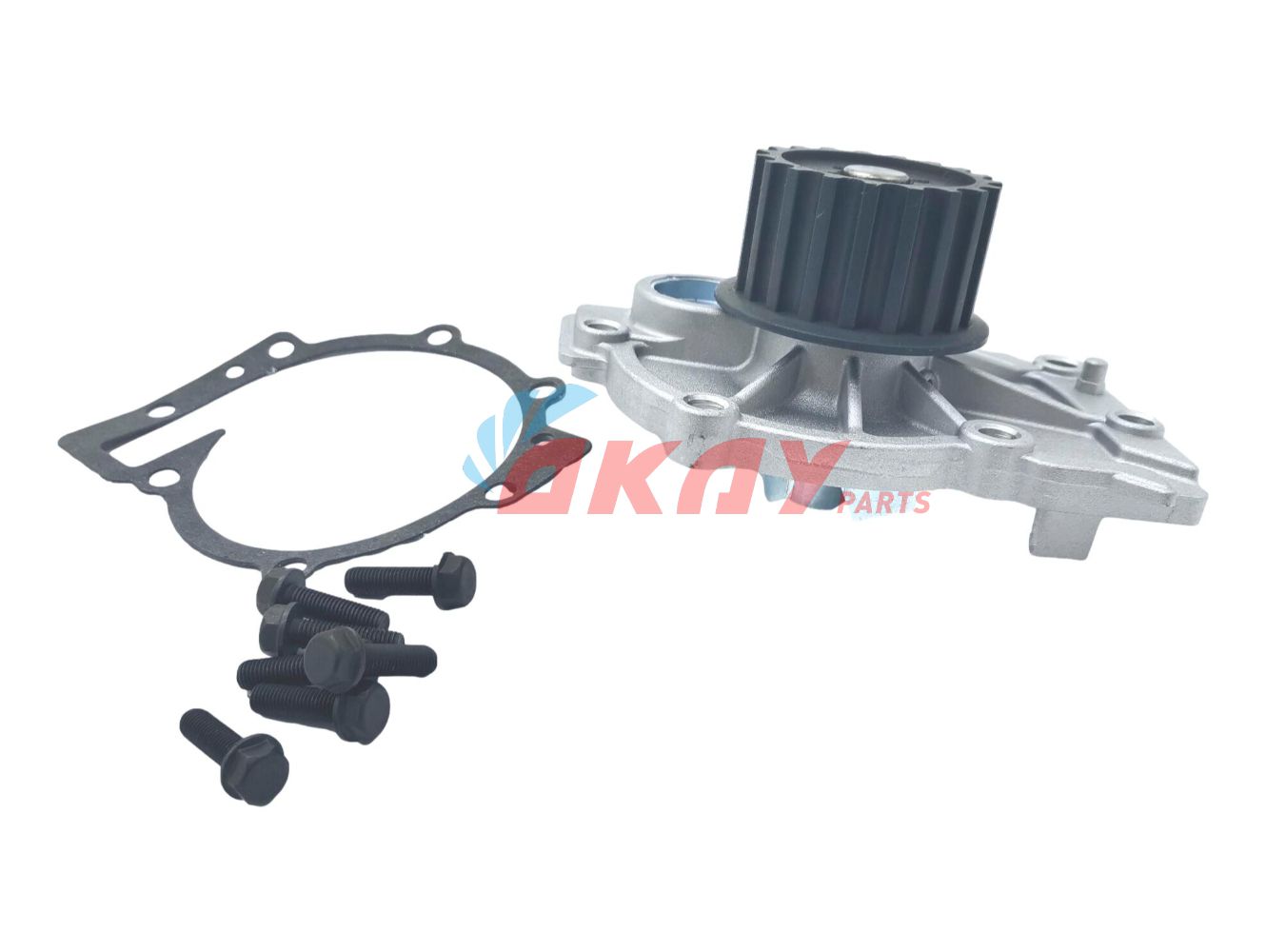
In summary, understanding the features and limitations of belt-driven versus gear-driven water pumps is essential for making an informed decision. Whether you are a casual user or a serious professional, OKAYPARTS offers a range of automotive mechanical water pumps to suit your needs. Explore our offerings at OKAYPARTS.
Related Products
11511433828 11517503884 Water pump for BMW
OEM:
11511433828
11517503884
11511722536
11511730414
11511740241